
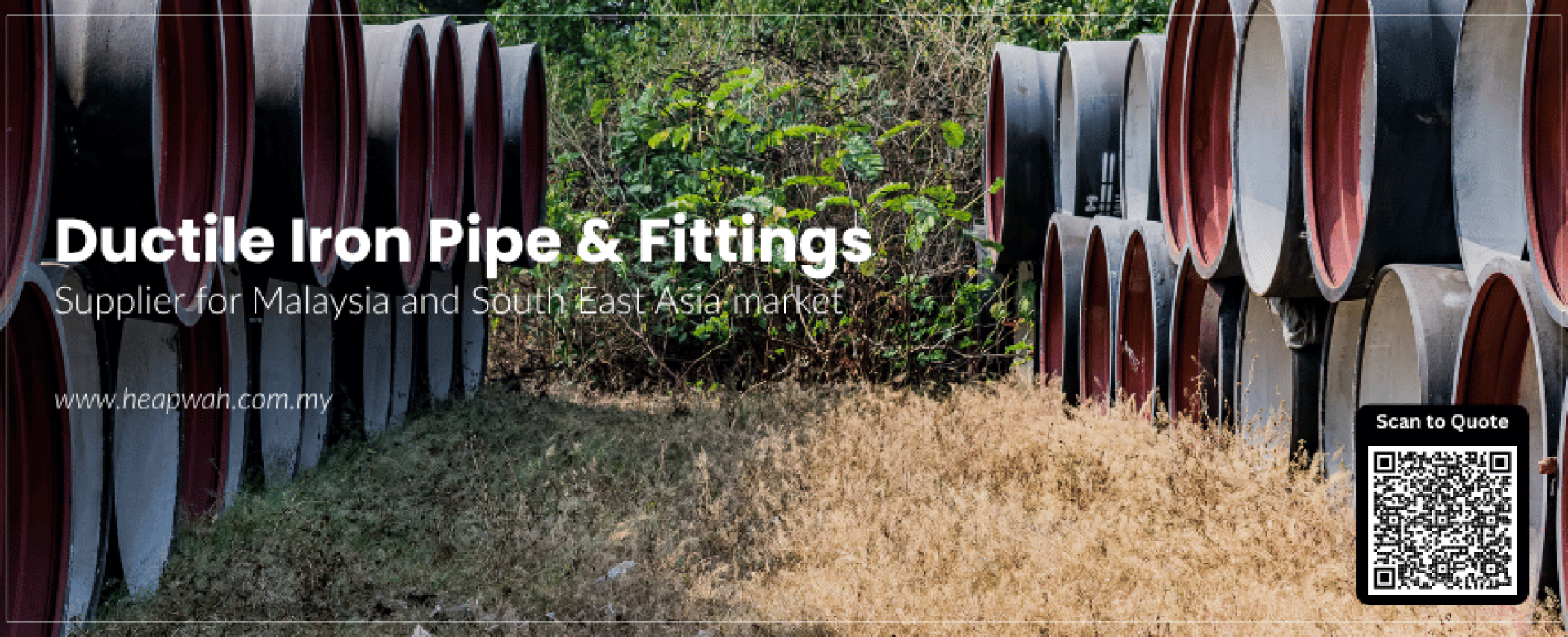
Ductile iron pipes and fittings are widely used for water distribution, transmission mains and other critical infrastructure where strength, durability and dependable performance are required.
Heap Wah Barakah supplies ductile iron pipe and fitting solutions for water infrastructure projects throughout Malaysia, supporting contractors, developers, infrastructure specialists, consultants and water industry stakeholders with access to pipes, fittings, valves and related pipeline components.
With more than four decades of experience in Malaysia’s plumbing and water infrastructure industry, we understand that selecting a DI piping system involves more than simply choosing a pipe diameter.
Pipe class, operating pressure, joint type, fittings, lining, external protection, applicable standards and project specifications must all be considered.
Our team can assist customers in identifying suitable components according to their project requirements.
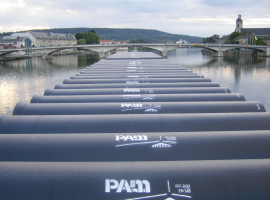
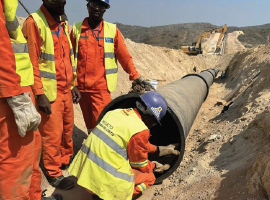
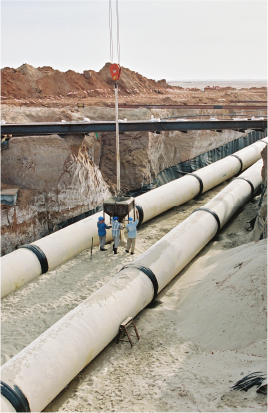
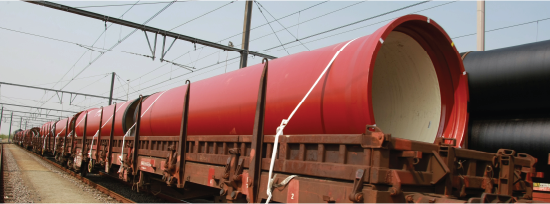
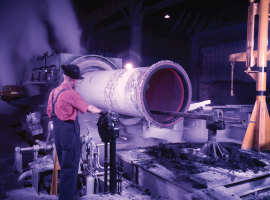
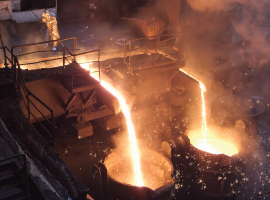
Ductile iron pipe installation in Malaysia
Ductile iron pipe, commonly known as DI pipe, is manufactured from ductile cast iron with a graphite structure that provides greater strength, toughness and resistance to impact compared with traditional grey cast iron.
The combination of strength and controlled flexibility makes ductile iron particularly suitable for infrastructure pipelines.
DI pipes are commonly used for:
The exact pipe specification should always be selected according to the application, operating conditions and project requirements.
Water infrastructure pipelines must withstand internal water pressure as well as external loads from soil, traffic, installation conditions and surrounding infrastructure.
Ductile iron provides several characteristics that make it suitable for these environments.
DI pipe provides high structural strength and is capable of handling significant internal and external loading when correctly specified and installed.
Ductile iron piping systems are designed for long-term infrastructure use. Proper pipe selection, installation and corrosion protection are important factors affecting the overall service life of the pipeline.
DI piping systems are available from relatively small distribution-main diameters to very large transmission pipeline sizes.
Availability depends on the manufacturer, pipe series and project specification.
For a detailed explanation of DN, pipe classes, K9 terminology and specification requirements, refer to our ductile iron pipe sizes and specifications guide.
A pipeline rarely consists of straight pipes alone.
Ductile iron systems can incorporate bends, tees, reducers, flange adaptors, couplings, flange sockets, flange spigots and other components required to change direction, connect equipment and accommodate different pipeline arrangements.
Explore our complete guide to ductile iron fittings in Malaysia for more information on the individual fitting types and their applications.
Depending on the system, ductile iron pipelines may use push-in flexible joints, flanged joints and other specialised joint arrangements.
The correct joint should be selected according to the installation and hydraulic requirements.
The two configurations most frequently encountered in water infrastructure projects are socket-and-spigot pipes and flanged pipes.
Socket-and-spigot DI pipes normally use a gasketed push-in joint.
The spigot end of one pipe is inserted into the socket of the next pipe together with the specified sealing gasket.
Flexible push-in joints are commonly used for long pipeline runs because they allow pipes to be assembled efficiently while accommodating a controlled amount of angular movement according to the manufacturer’s joint design.
Typical applications include:
Flanged connections use mating flanges, gaskets, bolts and nuts to produce a secured connection.
They are particularly useful around:
A project may use both push-in and flanged connections depending on the pipeline layout.
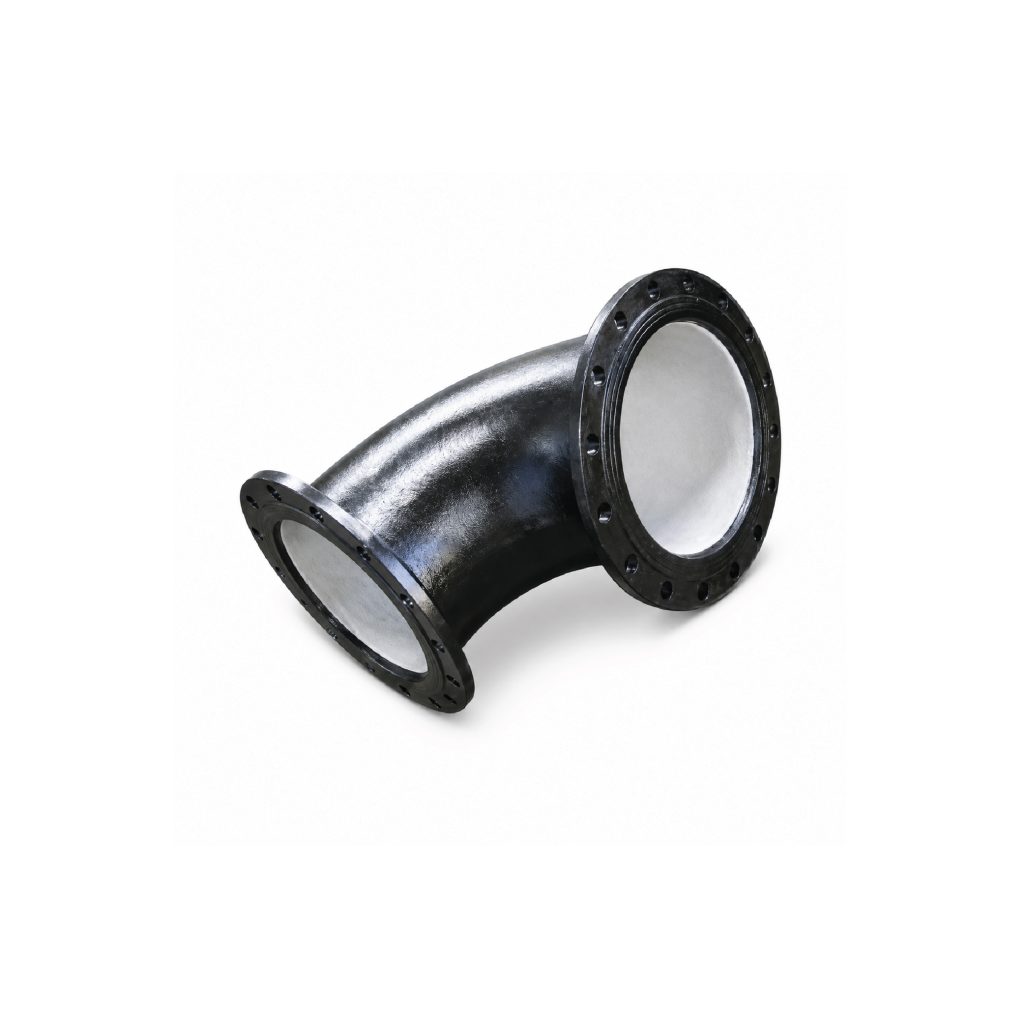
Bends change the direction of the pipeline. Both socket and flanged configurations may be available depending on the system. Typical configurations include:
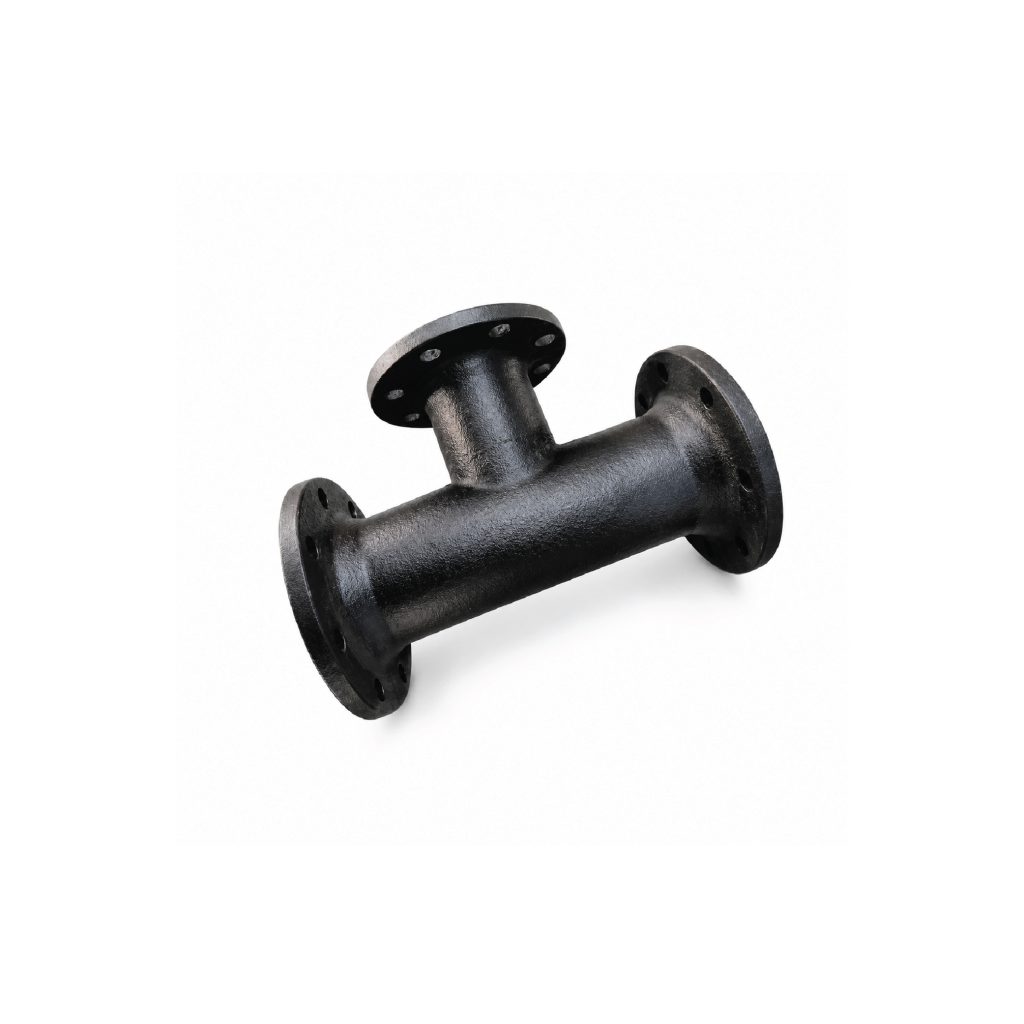
Tees create a branch from the main pipeline. Common configurations include:
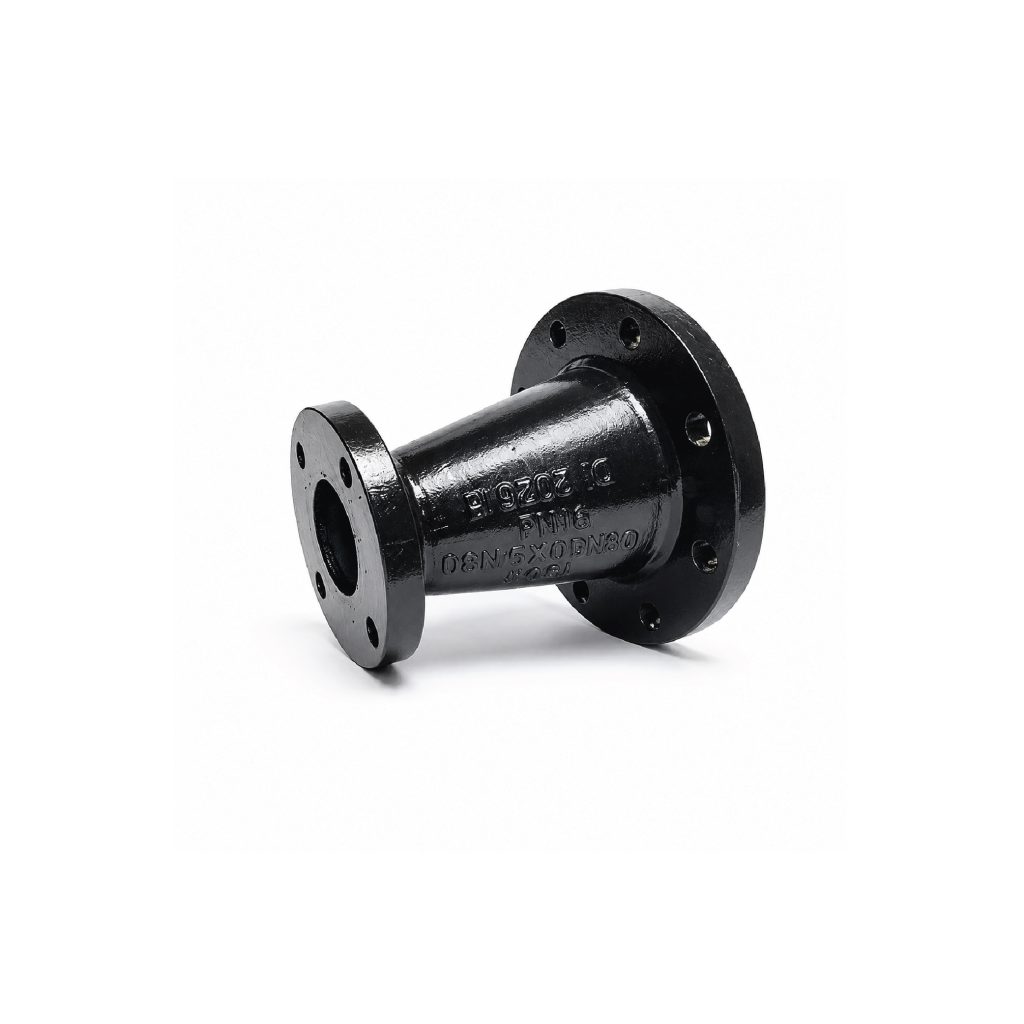
Reducers connect pipes or equipment of different nominal diameters.
They are commonly required when transitioning between pipeline sizes.
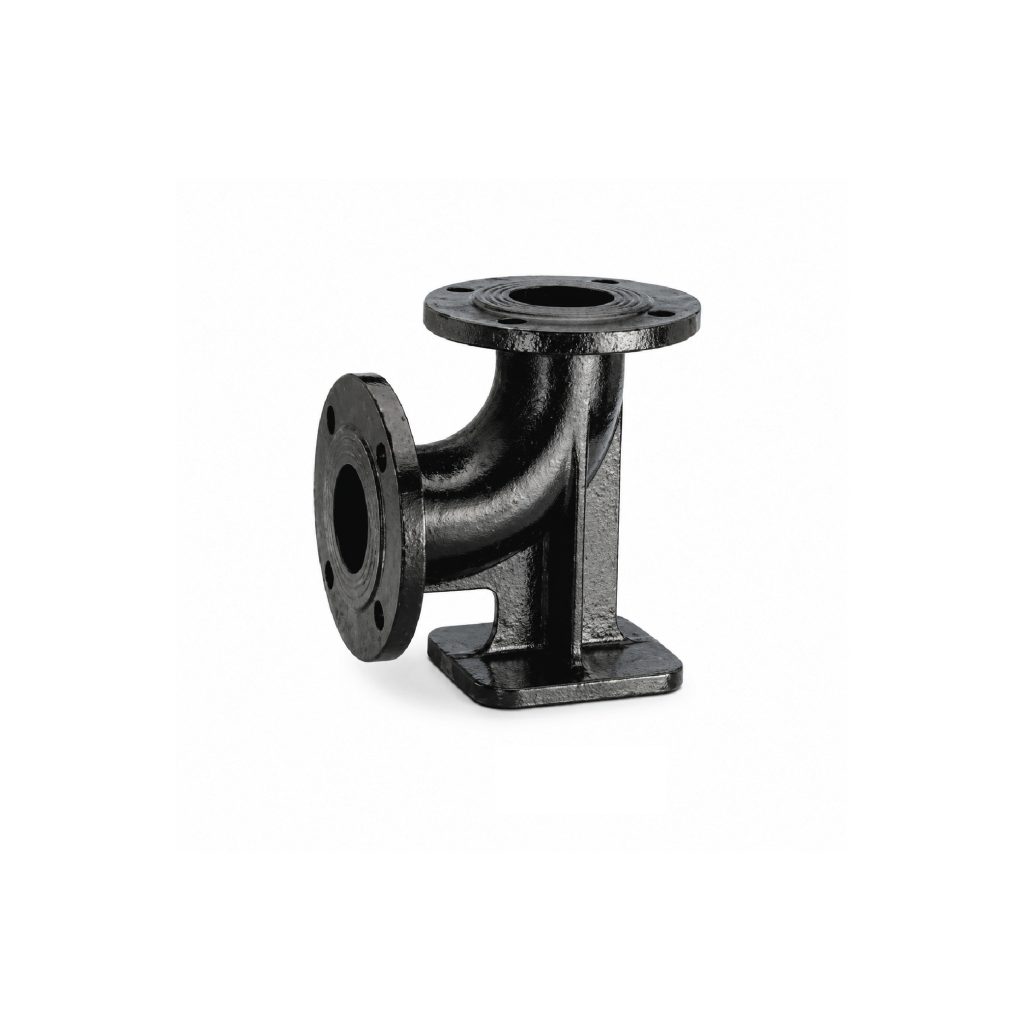
Duckfoot bends are frequently used where a vertical pipeline connects to horizontal pipework and where the fitting arrangement requires additional support.
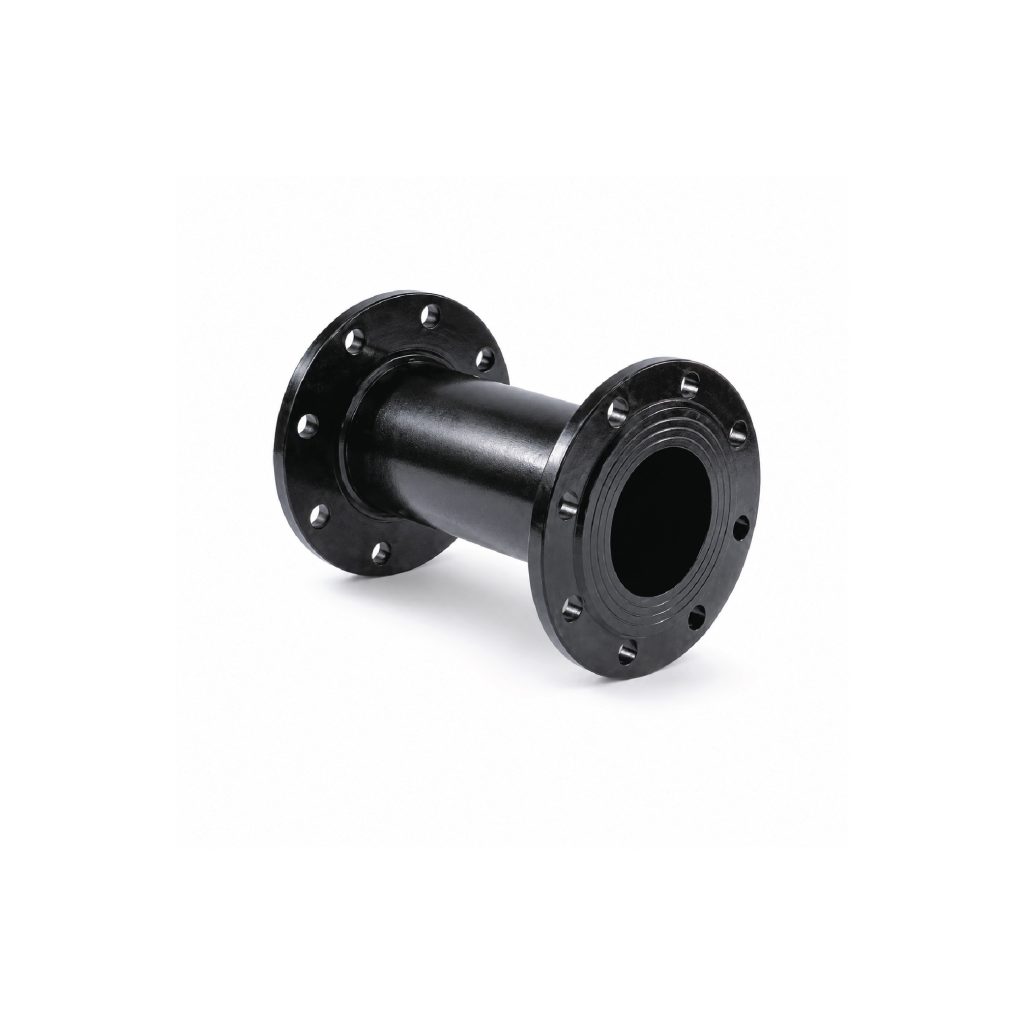
A flanged socket provides a transition between a socket-type DI pipe connection and flanged equipment.
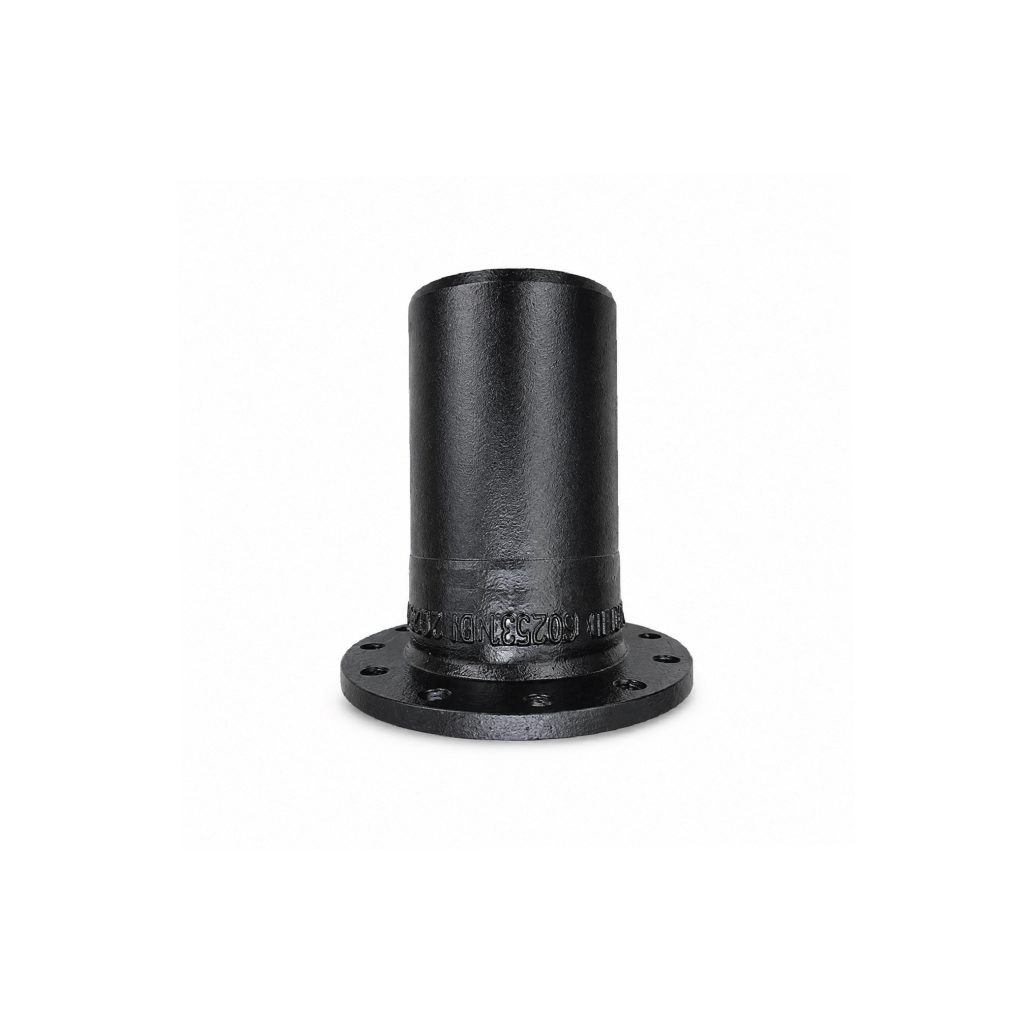
A flange spigot provides the opposite transition, connecting a flanged end to a spigot-type pipe connection.
Ductile iron pipes are identified primarily by their nominal diameter or DN.
For example:
| Nominal Size | Common Reference |
|---|---|
| DN100 | 100 mm |
| DN150 | 150 mm |
| DN200 | 200 mm |
| DN300 | 300 mm |
| DN500 | 500 mm |
| DN600 | 600 mm |
| DN1000 | 1000 mm |
DN is a nominal designation and should not automatically be interpreted as an exact measured internal or external diameter.
Actual dimensions depend on the applicable standard and product design.
Selecting the correct diameter involves more than simply choosing a DN. See our complete guide to ductile iron pipe sizes and specifications for pipe classes, joint types and specification terminology.
One common source of confusion when specifying DI pipe is the difference between:
Specifications such as C25, C30, C40 or legacy terms such as K9 should not simply be selected based on which number appears larger.
Project engineers should consider the applicable standard, design pressure, surge pressure, external loading, pipe diameter and project specification before selecting a pipe.
Where a consultant or water authority has issued a specification, that document should take priority over general product descriptions.
If you are preparing an enquiry or BOQ, our DI pipe size and specification guide explains how to provide the information a supplier needs.
For Malaysian water infrastructure projects, one important standard is:
The actual standard required for a project should always be confirmed against the consultant’s specification, water authority requirements and applicable approval requirements.
The iron itself is only one component of a complete DI piping system.
Depending on the product specification, DI pipes may incorporate:
The required protection system depends on factors such as:
For aggressive environments, additional protection may be specified.
Both DI and HDPE are widely used in modern water infrastructure, but they have different characteristics.
| Consideration | Ductile Iron | HDPE |
|---|---|---|
| Structural rigidity | High | Flexible |
| Jointing | Push-in, flange and specialised joints | Butt fusion, electrofusion and mechanical |
| Large valves/fittings integration | Very suitable | Adaptors often required |
| Installation flexibility | Moderate | High |
| Above-ground structural stability | Strong | Requires appropriate design |
| Corrosion consideration | Protective system important | Does not rust |
| Typical use | Distribution and transmission mains | Distribution, trenchless and flexible installations |
There is no universal winner.
The better material depends on project conditions.
DI pipes are frequently used to transport treated water through municipal distribution networks.
Larger diameter pipes can transport significant volumes of water between treatment facilities, reservoirs and distribution zones.
Flanged DI pipework and fittings can provide strong connections around pumps, valves and related mechanical components.
DI systems can be incorporated into inlet, outlet and process-related water pipework depending on the design specification.
DI fittings, flange adaptors and flanged pipe sections are commonly used around isolation valves and other equipment installed inside valve chambers.
Suitable DI pipeline systems may also be used for fire protection water networks where specified.
Providing complete information helps avoid incorrect product selection and reduces quotation delays.
Send us:
For larger projects, sending the BOQ, technical specification or tender document is usually the easiest approach.
If you are comparing project costs, you may also read our guide to ductile iron pipe prices in Malaysia and the main factors that influence a quotation.
Heap Wah Barakah supports Malaysia’s plumbing, construction and water infrastructure industries with a comprehensive range of pipes, fittings, valves and related waterworks products.
Instead of sourcing individual components from multiple suppliers, customers can discuss complete pipeline requirements with our project team.
Whether your project requires DI pipes, bends, tees, reducers, valves, flange adaptors or complementary water infrastructure components, our team can help identify suitable products according to the required specifications.
If you are currently sourcing for a project, learn more about Heap Wah Barakah as a ductile iron pipe supplier in Malaysia.
Send Heap Wah Barakah your:
BOQ • pipe schedule • technical specification • required sizes • quantities • project location
and our team can assist with product selection and quotation.
What is DI pipe?
DI pipe is short for ductile iron pipe, a strong metallic pipe widely used in water distribution and infrastructure systems.
Is ductile iron suitable for potable water?
Ductile iron pipe manufactured, lined, tested and approved for the relevant potable water application can be used for drinking water systems.
What sizes of ductile iron pipe are available?
DI pipes are manufactured across a wide range of nominal diameters. Exact sizes available depend on the manufacturer, product series and project specification.
See our DI pipe size guide for more information.
What fittings are available for ductile iron pipes?
Common fittings include bends, tees, reducers, duckfoot bends, flange sockets, flange spigots, couplings and flange adaptors.
See our full ductile iron pipe fittings guide.
Is K9 the same as PN16?
No. K-class and PN terminology describe different aspects of a piping system and should not be treated as interchangeable.
How can I get a quotation?
Send Heap Wah Barakah the pipe size, quantity, required specification and project location. For project requirements, you may also submit your BOQ or technical specification through our ductile iron pipe supplier Malaysia page.
WhatsApp us